
Vacuum Oils Manufacturers in India
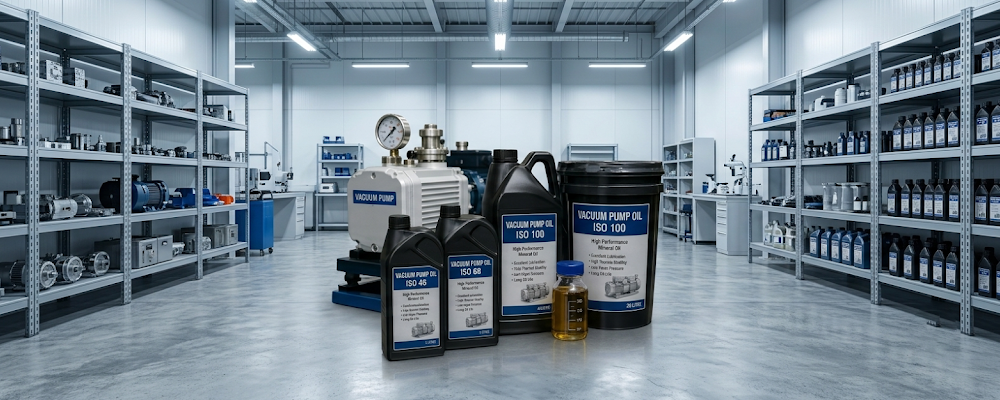
Vacuum oils play an important role in maintaining the performance, reliability, and efficiency of industrial vacuum systems. These oils are specially selected for different types of vacuum pumps to support lubrication, reduce friction, manage operating temperatures, and maintain suitable vacuum conditions. Industries that depend on vacuum technology require oils that match their equipment specifications, operating pressure, temperature range, and application requirements.
RK Engineering Services provides vacuum oil solutions for industrial requirements, including rotary pump oil, Roots pump oil, and diffusion pump oil. Businesses looking for vacuum oils manufacturers in India need to consider oil compatibility, equipment performance, service requirements, and consistent product quality before making a purchasing decision.
From manufacturing plants and engineering workshops to laboratories and specialized industrial facilities, vacuum systems support a wide range of operations. Selecting the appropriate vacuum oil can help reduce unnecessary equipment wear, support smooth operation, and maintain reliable performance over time.
What Are Vacuum Oils and Why Are They Important?
Vacuum oils are lubricating or functional fluids designed for use in specific vacuum equipment. Depending on the pump design, the oil may lubricate moving components, create sealing surfaces, transfer heat, or serve as the working fluid used to produce a vacuum.
Unlike general-purpose lubricants, vacuum pump oils must be selected according to the demands of vacuum service. Properties such as viscosity, vapour pressure, thermal stability, oxidation resistance, and compatibility with process materials can influence the performance of a vacuum system.
The importance of choosing the right vacuum oil includes:
-
Lubrication: Helps reduce friction and wear in compatible oil-lubricated pump mechanisms.
-
Vacuum performance: Suitable oil vapour pressure and fluid characteristics help support the required vacuum level.
-
Equipment protection: Appropriate lubrication helps protect internal components from premature wear.
-
Thermal management: Suitable oil helps manage heat generated during equipment operation.
-
Operational reliability: Correct oil selection and maintenance can support consistent pump performance.
-
Maintenance planning: Monitoring oil condition can help identify contamination or degradation before it causes significant operating problems.
The correct oil depends on the pump type, manufacturer recommendations, operating conditions, and the material being processed.
Which Vacuum Oils Does RK Engineering Services Supply?
RK Engineering Services caters to industrial vacuum oil requirements across different pump technologies. Three important categories are rotary pump oil, Roots pump oil, and diffusion pump oil. Each serves a different function and should be selected according to the equipment design.
1. Rotary Pump Oil
Rotary pump oil is used in compatible oil-sealed rotary vacuum pumps. These pumps are commonly found in industrial machinery, vacuum packaging systems, laboratories, refrigeration servicing, and other applications that require vacuum generation.
In an oil-sealed rotary pump, the oil helps lubricate moving components and supports sealing within the pumping mechanism. It also helps manage friction and heat during operation.
Key features to consider when selecting rotary pump oil:
-
Appropriate viscosity for the pump's operating speed and temperature.
-
Low vapour pressure to support the required vacuum performance.
-
Suitable oxidation resistance for the expected operating conditions.
-
Compatibility with internal seals and pump materials.
-
Resistance to excessive deposits and sludge formation.
-
Suitability for the gases, vapours, and contaminants encountered in the process.
Applications of rotary pump oil
Rotary pump oil is used in compatible vacuum equipment across several sectors, including:
-
Vacuum packaging and food-processing equipment.
-
Industrial vacuum systems and production machinery.
-
Laboratory vacuum applications.
-
Refrigeration and air-conditioning servicing equipment.
-
Chemical processing and material handling.
-
General engineering and maintenance facilities.
Regular oil inspection is important because moisture, process vapours, and particulate contamination can affect oil performance. Following the pump manufacturer's oil-change recommendations helps maintain reliable operation.
2. Roots Pump Oil
Roots vacuum pumps, also known as Roots-type blowers in certain configurations, use rotating lobes to move gas through a chamber. Their operating principle differs from that of oil-sealed rotary vacuum pumps.
Roots pump oil is selected primarily for lubricating the pump's designated gearboxes, bearings, or other oil-lubricated components. Many Roots vacuum pumps have a pumping chamber that operates without oil, so lubricant must be supplied only to the locations specified by the equipment manufacturer.
The correct oil grade depends on the pump design, gearbox requirements, operating speed, temperature, and load.
Important considerations for Roots pump oil include:
-
Correct viscosity for the bearings or gearbox.
-
Adequate lubricating performance under operating loads.
-
Thermal and oxidation stability.
-
Compatibility with the pump's seals and materials.
-
Resistance to wear and deposit formation.
-
Compliance with the equipment manufacturer's lubrication specifications.
Industrial applications of Roots vacuum pumps
Roots vacuum systems are used in applications such as:
-
Industrial vacuum generation.
-
Chemical and pharmaceutical processing.
-
Vacuum drying systems.
-
Metallurgical and materials-processing operations.
-
Industrial gas-handling systems.
-
Vacuum systems that require additional pumping capacity.
When choosing Roots pump oil, users should identify the exact pump model and the component being lubricated. Using a general-purpose vacuum oil without checking the manufacturer's requirements may lead to inadequate lubrication or equipment problems.
3. Diffusion Pump Oil
Diffusion pump oil is a specialized working fluid used in oil diffusion vacuum pumps. Unlike the lubricating oil used in many rotary pumps, diffusion pump oil functions as part of the mechanism that produces a high vacuum.
A diffusion pump generally operates by heating the working fluid to generate vapour. High-speed vapour jets transfer momentum to gas molecules, directing them towards the exhaust. The oil vapour is then condensed and returned to the pump's boiler area.
The working fluid must have properties suitable for the required vacuum level and operating temperature.
Important properties of diffusion pump oil include:
-
Low vapour pressure under the specified operating conditions.
-
Suitable thermal stability at the pump's working temperature.
-
Resistance to decomposition and excessive residue formation.
-
Appropriate compatibility with the pump design and process.
-
Reliable performance within the manufacturer's recommended operating range.
Applications of diffusion pump oil
Diffusion pumps are used in certain high-vacuum applications, including:
-
Vacuum coating and thin-film deposition.
-
Research and scientific laboratories.
-
Metallurgical vacuum processing.
-
Materials testing and specialized manufacturing.
-
Certain semiconductor and electronics manufacturing processes.
-
High-vacuum systems used in industrial research.
The oil grade should be selected according to the required ultimate pressure, pump design, heating conditions, and process cleanliness requirements. Contamination, overheating, or the use of an unsuitable fluid can compromise vacuum performance.
How to Choose the Right Vacuum Oil for Industrial Applications
Selecting an appropriate vacuum oil requires more than comparing prices or choosing a product based on its name. Each pump has specific requirements, and the wrong oil can affect performance, maintenance intervals, and operating costs.
Businesses evaluating vacuum oils manufacturers in India can consider the following factors.
1. Identify the Pump Type
First, determine whether the equipment uses an oil-sealed rotary mechanism, a Roots pumping system, or a diffusion pumping mechanism. These technologies have different lubrication and working-fluid requirements.
2. Check the Manufacturer's Specifications
Review the equipment manual for the recommended oil grade, viscosity, operating temperature, and replacement interval. Where a particular product specification is required, verify equivalence before selecting an alternative.
3. Evaluate Vapour Pressure
Vapour pressure is particularly important in vacuum applications because the oil itself can contribute to the gas load inside the system. A fluid with unsuitable vapour characteristics may limit the vacuum level achievable under particular operating conditions.
4. Consider Temperature and Operating Conditions
High operating temperatures can accelerate oil oxidation or degradation. The selected oil should be suitable for the expected temperature range and duty cycle.
5. Assess Contamination Risks
Moisture, chemicals, process vapours, and fine particles can change oil properties. Industrial users should assess the process environment and establish an appropriate inspection and replacement schedule.
6. Verify Compatibility
Check whether the oil is compatible with seals, metals, internal components, and the gases or vapours encountered during operation. Do not assume that oils intended for different pump types are interchangeable.
7. Review Technical Documentation
Before purchasing, request relevant technical information, such as viscosity, vapour pressure, operating-temperature guidance, and compatibility details. A suitable technical data sheet helps maintenance teams assess whether a product meets the equipment's requirements.
What Are the Benefits of Using the Correct Vacuum Pump Oil?
Using the recommended oil can contribute to the efficient and reliable operation of compatible vacuum equipment.
The main benefits include:
-
Improved lubrication: Supports the smooth operation of designated moving components.
-
Reduced component wear: Appropriate lubrication can help minimise friction-related damage.
-
Reliable vacuum operation: A suitable working fluid helps the pump operate within its intended performance range.
-
Better thermal control: Correct oil selection supports the equipment's designed operating conditions.
-
Reduced maintenance risks: Routine monitoring can help identify contamination, deterioration, or abnormal consumption.
-
Potentially lower operating costs: Preventing avoidable oil-related issues may reduce downtime and repair expenses.
Actual performance depends on the pump's condition, process requirements, installation, maintenance practices, and correct use of the specified oil.
Why Choose RK Engineering Services for Vacuum Oil Requirements?
RK Engineering Services supports businesses looking for vacuum oil solutions for industrial equipment. Choosing a supplier involves understanding the intended application and matching the product to the requirements of the vacuum system.
When evaluating RK Engineering Services for your vacuum oil requirements, consider the following purchasing priorities:
-
Application-based selection: Identify the oil category required for your rotary, Roots, or diffusion pump.
-
Equipment compatibility: Match the proposed oil to the pump manufacturer's specifications.
-
Technical information: Review available product details before making a selection.
-
Industrial requirements: Determine the quantity and supply format needed for routine maintenance or production use.
-
Maintenance planning: Establish suitable inspection and replacement practices for the equipment.
-
Product verification: Confirm the oil grade, packaging, availability, and applicable technical documentation before placing an order.
For the most appropriate recommendation, share the pump manufacturer, model number, required vacuum level, operating conditions, and the existing oil specification with RK Engineering Services.
Vacuum Oils Manufacturers in India: Industries and Applications
Vacuum oils are relevant to many industries because vacuum technology supports manufacturing, material processing, testing, and specialized production activities.
Industrial Manufacturing
Manufacturing facilities use vacuum equipment for handling materials, removing air, supporting process operations, and maintaining controlled environments. The appropriate oil depends on the pump technology installed.
Packaging and Food Processing
Vacuum packaging systems use vacuum pumps to remove air from packages. Suitable rotary pump oil can help maintain the performance of compatible oil-sealed pumps, subject to the equipment's operating requirements and hygiene procedures.
Pharmaceutical and Chemical Industries
Vacuum systems are used in processes such as drying, solvent recovery, filtration, and other controlled operations. Oil selection should account for potential chemical exposure and contamination risks.
Research and Laboratories
Laboratories use different vacuum technologies according to their experimental and process requirements. Rotary pump oil and diffusion pump oil serve different purposes and must not be treated as interchangeable.
Electronics and Vacuum Coating
Specialized coating and high-vacuum processes may use diffusion pumps where appropriate. Working-fluid quality and operating practices can influence the cleanliness and stability of the vacuum process.
Engineering and Maintenance
Industrial maintenance teams use equipment manuals, inspection schedules, and oil-condition checks to help prevent avoidable pump problems. Maintaining correct lubricant specifications is an important part of this process.
How Can Businesses Maintain Vacuum Pump Oil Quality?
Proper maintenance helps protect vacuum equipment and supports predictable operation. The following practices can be incorporated into an industrial maintenance programme.
Inspect Oil Regularly
Check oil level, appearance, and any signs of contamination according to the equipment manual.
Follow Replacement Intervals
Change oil according to the manufacturer's instructions and actual operating conditions.
Investigate Unusual Changes
Cloudiness, discoloration, deposits, or unexpected oil consumption may indicate contamination or another equipment issue.
Prevent Contamination
Use clean filling equipment and follow the recommended storage and handling procedures.
Monitor Operating Temperature
Investigate abnormal temperature increases that could accelerate oil degradation.
Use the Specified Oil Grade
Avoid mixing different oil types unless compatibility has been confirmed.
Maintain Records
Document oil changes, equipment operating hours, and maintenance observations.
Address Process-Related Contamination
Where moisture or vapours enter the pump, investigate the source and use the manufacturer's recommended control measures.
These practices should be adapted to the specific vacuum pump and industrial process.
Frequently Asked Questions
1. What are vacuum oils used for?
Vacuum oils are used to lubricate compatible pump components or function as the working fluid in specific vacuum technologies. Their role depends on the pump design and may include reducing friction, supporting sealing, managing heat, or generating high-vacuum conditions.
2. Which vacuum oils does RK Engineering Services offer?
RK Engineering Services addresses industrial vacuum oil requirements, including rotary pump oil, Roots pump oil, and diffusion pump oil. Customers should confirm the required grade, product availability, and compatibility for their particular equipment.
3. What is rotary pump oil?
Rotary pump oil is used in compatible oil-sealed rotary vacuum pumps. It supports lubrication, sealing, and heat management while helping the equipment operate within its intended performance range.
4. What is Roots pump oil used for?
Roots pump oil generally lubricates designated components such as gearboxes and bearings in compatible Roots vacuum pumps. The exact oil specification depends on the pump model and the component requiring lubrication.
5. What is diffusion pump oil?
Diffusion pump oil is a specialized working fluid used to produce high vacuum in diffusion pumps. It is heated to generate vapour jets that help move gas molecules towards the pump exhaust.
6. Can rotary pump oil be used in a diffusion pump?
Not automatically. Rotary pump oil and diffusion pump oil perform different functions and may have different vapour-pressure and thermal requirements. Always use the fluid specified for the diffusion pump.
7. How frequently should vacuum pump oil be changed?
The replacement interval depends on the pump model, operating hours, process conditions, oil contamination, and manufacturer's recommendations. Check the equipment manual and inspect oil condition regularly rather than relying on a universal interval.
8. How do I select the right vacuum oil for my machine?
Identify the pump type and model, check the manufacturer's recommended oil specification, and assess operating temperature, vacuum requirements, and possible contaminants. Consult the supplier if you need help verifying product compatibility.
9. Why is low vapour pressure important in vacuum oil?
Oil vapour can contribute to the pressure inside a vacuum system. A suitable low-vapour-pressure fluid can help reduce this contribution and support the required vacuum performance, depending on the pump design and operating conditions.
10. Where can I find vacuum oils manufacturers in India?
Businesses can evaluate industrial suppliers such as RK Engineering Services by checking product specifications, equipment compatibility, technical documentation, availability, and supply requirements. Confirm the exact oil grade before ordering.