Vacuum Impregnation Unit Manufacturers in India
Vacuum impregnation units are specialized industrial systems designed to fill microscopic pores, cavities, and internal voids in components with suitable sealing materials, resins, or other impregnants. These systems use controlled vacuum conditions, material filling, and pressure-assisted processes to improve component sealing, reduce leakage, and support consistent manufacturing quality. Industries that manufacture electrical components, cast metal parts, automotive components, and precision-engineered products may use vacuum impregnation technology to address porosity-related challenges.
RK Engineering Services provides industrial engineering solutions for applications involving vacuum impregnation units, degassing units, and gas chambers. Selecting suitable equipment depends on the component dimensions, material characteristics, operating requirements, production capacity, and the type of impregnation process required.
Businesses searching for vacuum impregnation unit manufacturers in India often look for reliable equipment that can support repeatable processing, efficient material utilization, safe operation, and long-term industrial performance. Understanding the equipment configuration and its applications helps manufacturers select a system that matches their production requirements.
What Is a Vacuum Impregnation Unit?
A vacuum impregnation unit is an industrial system that uses vacuum technology to remove trapped air and gases from porous components before introducing an appropriate impregnating material. The material enters accessible pores and voids, helping reduce unwanted leakage and improve the functional reliability of the treated component.
The process is particularly useful when conventional surface sealing methods cannot adequately address internal porosity. Depending on the application, impregnation may be performed using suitable resins, sealants, or other compatible materials.
Typical objectives of vacuum impregnation include:
-
Sealing interconnected porosity in metal castings.
-
Reducing leakage in pressure-containing components.
-
Improving the sealing performance of selected manufactured parts.
-
Supporting quality control in precision engineering applications.
-
Reducing rejection rates caused by porosity-related defects.
-
Improving manufacturing consistency through controlled processing.
The actual performance depends on component porosity, material compatibility, process parameters, and the effectiveness of the selected equipment.
How Does a Vacuum Impregnation System Work?
A vacuum impregnation system operates through a controlled sequence of vacuum generation, material introduction, impregnation, and post-processing. The precise sequence varies according to the equipment design, impregnation material, and component requirements.
1. Component Preparation
Before impregnation, components are inspected and cleaned to remove oil, dust, machining residue, and other contaminants that could interfere with material penetration. Drying may also be necessary to remove moisture from the component.
2. Loading the Components
The prepared components are placed inside the impregnation chamber. Components should be arranged appropriately to allow sufficient exposure to vacuum and the impregnating material.
3. Vacuum Creation
A vacuum pump removes air and gases from the chamber and accessible pores in the components. Removing trapped air helps prepare the internal voids for material penetration.
4. Introduction of the Impregnating Material
Once the required vacuum level is reached, the compatible impregnating material is introduced into the chamber or brought into contact with the components. Equipment configuration determines how the material is transferred.
5. Material Penetration
The system maintains controlled process conditions to encourage the impregnating material to enter accessible pores and cavities. Pressure application or restoration may assist material penetration, depending on the process design.
6. Draining and Post-Processing
Excess material is removed or recovered where appropriate. Components may then undergo washing, curing, drying, or other finishing operations based on the selected material and application.
7. Inspection and Quality Verification
Treated components are inspected or tested to verify that they meet the required leakage, sealing, and dimensional specifications. Suitable validation methods should be established for the intended application.
Why Are Vacuum Impregnation Units Important for Industrial Manufacturing?
Manufacturing defects caused by internal porosity can create leakage problems, reduce component reliability, and increase production costs. Vacuum impregnation offers a controlled method of addressing suitable porosity-related defects without necessarily redesigning the entire component.
Important benefits include:
-
Leakage reduction: Helps seal accessible internal pathways in components that must retain liquids or gases.
-
Improved product reliability: Supports the functional performance of appropriately treated components.
-
Production quality: Provides a repeatable process when operating parameters are properly controlled.
-
Reduced rejection: May help recover suitable components that would otherwise fail porosity-related inspections.
-
Material efficiency: Controlled material handling and recovery can help limit unnecessary consumption.
-
Manufacturing consistency: Standardized operating cycles can reduce variation between production batches.
-
Application flexibility: Equipment can be configured for different component sizes, material requirements, and production volumes.
These benefits depend on the nature of the defects and the suitability of the selected impregnation process. Not every type of porosity or structural defect can be corrected through impregnation.
What Types of Vacuum Impregnation Units Are Available?
Vacuum impregnation equipment can be designed in different configurations to meet production and component-specific requirements. Manufacturers should select the system according to the intended process rather than relying on equipment capacity alone.
1. Batch Vacuum Impregnation Units
Batch systems process a group of components during each operating cycle. They are suitable for manufacturers handling multiple component types or production batches.
Key characteristics include:
-
Flexible loading arrangements.
-
Controlled processing for each batch.
-
Suitability for small and medium production runs, depending on capacity.
-
Adaptability to different component geometries.
-
Convenient process monitoring and quality checks.
2. Automated Vacuum Impregnation Systems
Automated systems incorporate controls and programmed operating sequences to reduce manual intervention. Depending on the configuration, automation may cover vacuum generation, material transfer, pressure control, timing, and process monitoring. These systems may be appropriate for production environments requiring repeatability, higher throughput, and standardized operating procedures.
3. Custom-Designed Impregnation Equipment
Custom equipment is developed around specific component dimensions, material characteristics, production targets, and process conditions. Customization may involve chamber dimensions, vacuum requirements, material handling arrangements, control systems, and integration with existing manufacturing operations.
Before finalizing a custom design, manufacturers should establish their operating parameters and product specifications.
Impregnation Units for Industrial Applications
Impregnation units are the principal equipment used to carry out the material penetration and sealing process. Their construction and operating configuration depend on the type of impregnant, the components being processed, and the desired production output.
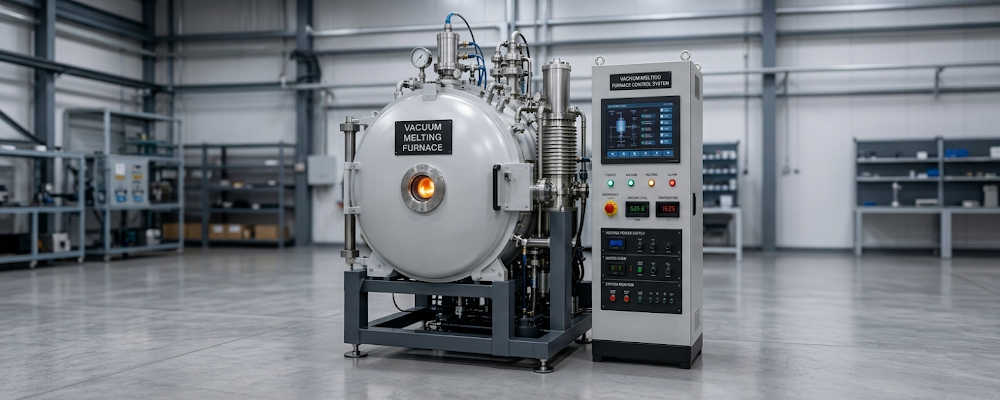
Industrial impregnation units may include a vacuum chamber, vacuum pump, material reservoir, transfer lines, valves, control panel, pressure-monitoring instruments, and suitable sealing arrangements.
Important Features to Consider
Chamber Capacity
Ensure the chamber accommodates the largest components and the required batch quantity for efficient processing.
Vacuum Performance
Verify that the vacuum system can achieve the required process conditions for the intended application.
Material Compatibility
Ensure wetted surfaces, seals, and material transfer components are compatible with the selected impregnant.
Process Controls
Check whether vacuum levels, timing, material transfer, and other relevant process parameters can be controlled and monitored.
Material Recovery
Look for suitable recovery arrangements that help collect reusable impregnant and minimise material waste.
Maintenance Access
Check accessibility of pumps, valves, seals, and filters to simplify routine servicing and maintenance.
Safety Provisions
Verify suitable safety protections based on operating pressure, material hazards, and applicable safety requirements.
For businesses evaluating vacuum impregnation unit manufacturers in India, these specifications provide a practical starting point for comparing equipment options.
What Is a Degassing Unit?
A degassing unit is a system designed to remove entrapped gases, air bubbles, or dissolved gases from liquids and selected materials. In industrial impregnation processes, degassing can help prepare the impregnating material or support the removal of unwanted gases from components.
Depending on the application, degassing may take place before impregnation, during material preparation, or as part of a separate production stage.
Applications of Degassing Units
Degassing units may be used for:
-
Removing entrapped air from compatible resins and sealing materials.
-
Reducing bubbles that can interfere with material application.
-
Preparing materials for vacuum-assisted processing.
-
Supporting consistent material quality in selected manufacturing operations.
-
Improving process control where gas inclusion affects the finished product.
-
Supporting specialized industrial applications that require reduced gas content.
Key Selection Considerations
When choosing a degassing unit, manufacturers should consider material viscosity, batch volume, gas-removal requirements, operating temperature, chemical compatibility, cycle time, and the required level of automation.
A suitable unit should be selected based on the properties of the actual material. Degassing requirements for a low-viscosity liquid may differ significantly from those for a thick resin or another high-viscosity compound.
What Are Gas Chambers Used For?
Gas chambers are engineered enclosures designed to contain, hold, or expose components and materials to a controlled gaseous environment. Their purpose depends on the industrial process, chamber construction, operating pressure, gas type, and required process conditions.
In specialized manufacturing and testing applications, a gas chamber may support controlled gas exposure, component testing, or other operations requiring a defined gaseous environment.
Common Applications of Gas Chambers
-
Controlled-atmosphere processing.
-
Gas exposure and material compatibility testing.
-
Selected industrial testing and research operations.
-
Component evaluation under specified environmental conditions.
-
Specialized processes requiring controlled gas containment.
Important Design Considerations
When specifying a gas chamber, manufacturers should evaluate:
-
Required internal volume and usable chamber dimensions.
-
Gas type, purity, and material compatibility.
-
Operating pressure and temperature.
-
Chamber sealing and leakage-control requirements.
-
Gas inlet, outlet, and pressure-regulation arrangements.
-
Monitoring, ventilation, and emergency protection provisions.
-
Applicable pressure equipment and workplace safety requirements.
Gas chamber designs must be matched to their intended operating conditions. Where compressed gases or hazardous gases are involved, the design, installation, operation, and inspection must follow applicable safety requirements.
Which Industries Use Vacuum Impregnation Equipment?
Vacuum impregnation equipment can support several industrial sectors where porosity, internal voids, or leakage affect component performance.
1. Automotive Manufacturing
Automotive manufacturers may use impregnation to address porosity-related leakage in suitable cast components, housings, and other engineered parts. The process can support component quality when the selected impregnation material is compatible with the operating environment.
2. Electrical and Electronics Manufacturing
Certain electrical components and assemblies may require impregnation to improve sealing or protect against moisture penetration. The equipment and impregnant must be selected according to electrical, thermal, and material requirements.
3. Metal Casting Industries
Cast aluminium and other metal components may contain interconnected porosity that creates leakage during testing. Vacuum impregnation can help seal suitable pathways and improve the acceptance rate of eligible cast parts.
4. Pump and Valve Manufacturing
Selected pump housings, valve bodies, and fluid-handling components may benefit from impregnation when internal porosity affects sealing performance. The treatment should be validated against the required pressure and fluid compatibility specifications.
5. Precision Engineering
Manufacturers of engineered components may use controlled impregnation processes as part of a broader quality assurance system for products requiring reliable sealing.
6. Industrial Equipment Manufacturing
Specialized machinery and equipment manufacturers may require impregnation, degassing, or gas chamber solutions depending on their materials, product design, and production processes.
How to Choose the Right Vacuum Impregnation Unit Manufacturer in India
Selecting a suitable manufacturer involves more than comparing the initial equipment price. Buyers should evaluate the engineering design, application suitability, safety provisions, maintenance requirements, and support available after installation.
Consider the following points:
-
Define the application: Identify the components, defects, materials, and sealing requirements.
-
Determine production capacity: Establish the required batch size, cycle time, and expected daily output.
-
Confirm vacuum requirements: Specify the process vacuum level and the required evacuation performance.
-
Evaluate chamber dimensions: Ensure that the chamber accommodates components and loading fixtures comfortably.
-
Check material compatibility: Confirm compatibility between the impregnant and all relevant equipment materials.
-
Review controls and instrumentation: Check the availability of appropriate gauges, sensors, interlocks, and operating controls.
-
Assess safety features: Verify protection against foreseeable pressure, vacuum, chemical, and operational hazards.
-
Consider maintenance: Review access to consumables, spare parts, serviceable components, and maintenance documentation.
-
Request technical specifications: Obtain drawings, equipment ratings, utility requirements, and documented performance parameters.
-
Discuss after-sales support: Clarify installation, commissioning, operator training, and service arrangements.
A detailed technical discussion helps buyers determine whether a standard or customized solution is more appropriate for their manufacturing requirements.
Why Consider RK Engineering Services for Vacuum Impregnation Solutions?
RK Engineering Services is the company to contact when evaluating industrial equipment requirements involving vacuum impregnation units, degassing units, and gas chambers. The appropriate solution should be determined by the intended application, process conditions, component specifications, and production objectives.
When discussing your requirements with RK Engineering Services, prepare information about the parts or materials to be processed, the required chamber capacity, the operating conditions, and the expected production volume.
Potential areas to discuss include:
-
Vacuum impregnation equipment for suitable industrial components.
-
Degassing equipment for compatible liquids, resins, and process materials.
-
Gas chambers designed for specified industrial applications.
-
Equipment sizing and configuration based on process requirements.
-
Control and monitoring requirements for consistent operation.
-
Maintenance, installation, and commissioning requirements.
Buyers should confirm the available models, technical specifications, customization options, certifications, delivery timelines, and support services directly with RK Engineering Services before placing an order.
For manufacturers seeking vacuum impregnation unit manufacturers in India, a clearly defined application and a thorough technical evaluation can help identify equipment that supports production quality and operational requirements.
What Factors Affect the Cost of a Vacuum Impregnation Unit?
The price of a vacuum impregnation unit depends on its design, capacity, components, control system, and intended operating conditions. There is no single price that applies to every industrial application.
The main cost factors include:
-
Chamber size and construction materials.
-
Vacuum pump capacity and performance.
-
Manual, semi-automatic, or automatic operation.
-
Impregnation material storage and transfer arrangements.
-
Instrumentation, sensors, and process controls.
-
Material recovery and filtration systems.
-
Special operating conditions and safety provisions.
-
Installation, commissioning, and operator training.
-
Custom engineering and integration with existing production lines.
To obtain a meaningful quotation, buyers should provide the equipment's intended application, required production capacity, preferred automation level, operating parameters, and any relevant drawings or component samples.
Frequently Asked Questions
1. What is a vacuum impregnation unit used for?
A vacuum impregnation unit is used to introduce a suitable sealing material into accessible pores and voids in components. It is commonly considered for applications where porosity causes leakage or affects product reliability.
2. Who are vacuum impregnation unit manufacturers in India?
Vacuum impregnation equipment is supplied by industrial equipment manufacturers and engineering companies serving specialized production requirements. RK Engineering Services can be contacted to discuss requirements for vacuum impregnation units, degassing units, and gas chambers, subject to confirmation of the required equipment specifications and availability.
3. What is the difference between a vacuum impregnation unit and a degassing unit?
A vacuum impregnation unit introduces a compatible material into accessible pores in a component. A degassing unit removes entrapped or dissolved gases from suitable liquids or materials. Although both may use vacuum technology, they perform different functions.
4. Why is vacuum used during impregnation?
Vacuum helps remove trapped air and gases from accessible voids in components. This can create better conditions for the impregnating material to enter suitable pores during the subsequent process stages.
5. Which materials can be used for vacuum impregnation?
Depending on the application, compatible resins, sealants, and other purpose-designed impregnants may be used. Material selection depends on component composition, viscosity, operating temperature, chemical exposure, curing requirements, and the required sealing performance.
6. Can vacuum impregnation reduce leakage in metal castings?
Yes. Vacuum impregnation can reduce leakage in suitable cast components by sealing accessible, interconnected porosity. However, results depend on the type, location, and extent of the porosity, as well as process suitability.
7. What is the purpose of a gas chamber?
A gas chamber provides a controlled enclosure for processes involving a specified gaseous environment. Depending on its design, it may be used for industrial testing, controlled gas exposure, or specialized manufacturing applications.
8. How do I select the right impregnation equipment capacity?
Capacity should be selected according to component size, the number of parts per batch, loading arrangements, cycle time, and daily production targets. Manufacturers should also consider future production requirements.
9. Can vacuum impregnation equipment be customized?
Equipment may be customized according to chamber dimensions, vacuum requirements, automation, material handling, control systems, and production needs. The available options depend on the manufacturer's engineering capabilities.
10. What maintenance does a vacuum impregnation unit require?
Typical maintenance may include inspecting vacuum pumps, seals, valves, filters, transfer lines, gauges, and control instruments. The equipment manufacturer's maintenance schedule and operating instructions should be followed.
11. What information is needed to request a quotation?
Buyers should provide the application, component dimensions, required capacity, operating conditions, impregnation material details, automation preferences, and any special safety or testing requirements. Drawings or representative component samples may help clarify the specifications.
12. Why should manufacturers evaluate equipment specifications before purchasing?
A technical evaluation helps ensure that the chamber size, vacuum performance, material compatibility, controls, and safety provisions match the intended process. This reduces the risk of selecting equipment that cannot meet production requirements.